June 18, 2026 · 4 min read
Opus Plasma vs. CO2: Choosing Your Resurfacing Depth
Opus Plasma and the CO2 fractional laser sit at different points on the depth and downtime scale. What each is used for, and how the depth gets decided.
What resurfacing means
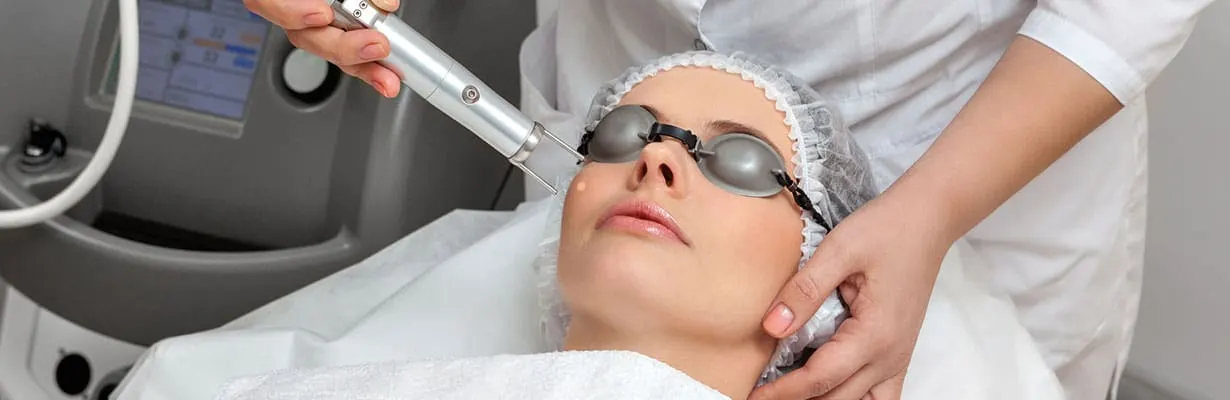
Resurfacing treatments remove or injure the outer layers of the skin in a controlled way so the body replaces them with fresher tissue and new collagen. The deeper the treatment goes, the more it can change, and the longer the skin takes to recover. Opus Plasma and the CO2 fractional laser are both resurfacing tools. They sit at different points on that depth and downtime scale, and the consultation is where the depth gets decided.
Opus Plasma
Opus Plasma uses fractional plasma energy. Tiny metal pins on the handpiece are charged with radiofrequency, and when they come close to the skin the energy ionizes the air in the gap and creates small plasma channels in the surface. The depth is adjustable, from a light pass that mostly affects the surface to a deeper setting that reaches further into the dermis.
Dr. Olivo uses it for fine lines, mild texture, uneven tone, early sun damage, and skin that looks tired rather than damaged. The face, neck, chest, and hands are common areas, and settings are adjusted for each. Recovery is usually a few days of redness and light peeling, and most people plan a series rather than one visit.
CO2 fractional laser
The CO2 fractional laser goes deeper. It uses a carbon dioxide laser to vaporize narrow columns of tissue, leaving untouched skin between them to speed healing. Because it removes tissue and delivers more heat, it can address problems that a lighter treatment cannot: etched lines around the mouth and eyes, acne scarring, deeper sun damage, and crepey texture.
The trade-off is downtime. Expect about a week of redness, swelling, and peeling, followed by pinkness that fades over several weeks. It is more often a single treatment than a series, and it calls for strict sun avoidance before and after.
How the depth is chosen
Dr. Olivo looks at three things: what you want to change, how much downtime you can take, and your skin type and history. Lighter concerns and a busy calendar point to Opus Plasma. Deeper damage and a week you can set aside point to CO2. Darker skin tones need extra care with any heat-based treatment, and that shapes the settings or the choice itself. Some people do a CO2 treatment once and maintain with Opus Plasma later. Candidacy, depth, and the number of sessions are set at the consultation. Individual results vary.
Reviewed by the clinical team at Olivo Med Spa. Educational content, not medical advice. Candidacy and expectations are set at consultation.
Related treatments
Face · A few days
Opus Plasma
Fractional plasma resurfacing for texture, lines, and scars, with recovery measured in days.
Learn moreFace · About a week
CO2 fractional laser
The deepest resurfacing in the clinic, for texture, scars, and lines that lighter treatments do not reach.
Learn moreFace · A few days
Erbium laser resurfacing
Ablative resurfacing with a lighter touch and a shorter recovery than CO2.
Learn more